
Maternal Exposome and Gene-Environment Interaction in the First 1000 Days of Life: Towards a Maternal-Infant Precision Medicine
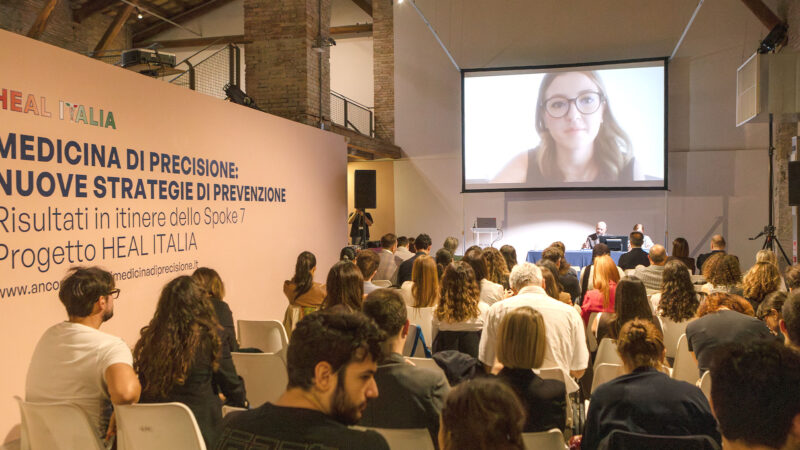
The project, conducted in collaboration with the Istituto Superiore di Sanità and in particular with Dr. Brescianini and Dr. Nisticò, represents a paradigmatic example of how Precision Medicine can be applied to maternal-infant health, integrating genomics, the exposome and clinical data to develop personalised preventive strategies. The initiative forms part of Work Package 4 of Spoke 7 of HEAL ITALIA, dedicated to case studies and the concrete application of the principles of Precision Medicine to specific populations and contexts.
The First 1000 Days: A Critical Window for Health
The concept of the “first 1000 days of life” represents one of the most important paradigms in contemporary preventive medicine. This time window, extending from the moment of conception through to the child’s second birthday, is characterised by extraordinary biological plasticity and represents a critical period for the programming of the individual’s future health.
During this period, environmental exposures, maternal lifestyles, nutrition and numerous other factors can permanently influence epigenetic mechanisms, organ and system development, and the predisposition to diseases that will manifest in childhood, adolescence or even adulthood. It is in this phase that much of the “foetal programming” and the foundations for the development of chronic non-communicable diseases — such as obesity, diabetes, cardiovascular diseases and neurological disorders — are established.
The Concept of the Exposome
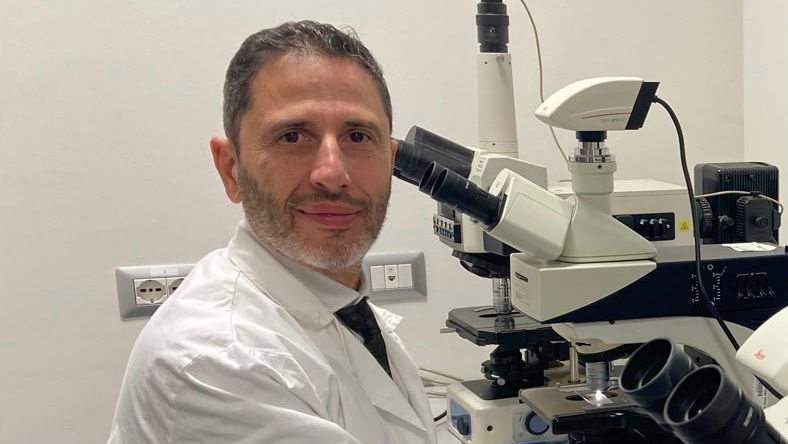
At the centre of the project presented by Dr. Favara lies the concept of the exposome, understood as the totality of exposures to which an individual is subject from conception to death. This holistic concept encompasses the numerous factors that can have both a negative and a positive impact on health: environmental exposures, lifestyles, diet, stress, pollution, chemical substances, but also protective factors such as physical activity, social support and healthy nutritional choices.
In the specific context of maternal-infant health, the maternal exposome assumes particular importance, since the exposures of the mother during pregnancy and breastfeeding can directly influence the development of the foetus and newborn. The activities of the project had as their main objective the assessment of the effects of maternal exposures, and in particular the study of the complex relationship between genetics, diet and maternal-infant health.
The Integrated Approach of Precision Medicine
The perspective adopted by the research team was to apply a genuinely integrated approach that simultaneously takes into account three fundamental dimensions: the genome, the exposome and maternal-infant health outcomes. This approach perfectly reflects the principles of personalised medicine, which offers numerous benefits and perspectives by considering multiple factors: clinical variables, anthropometric factors, lifestyle-related factors and biomarkers.
At the centre of everything, as Dr. Favara emphasised, lies the need to consider interindividual variability. Not all women respond in the same way to the same exposures or the same nutritional interventions. This variability is determined in part by individual genetics, in part by epigenetics, and in part by environmental and social factors. The integration of all these components makes it possible to study an individual’s risk profile both in the short and long term, opening the way to personalised preventive interventions.
The Paradigm Shift in Nutritional Research
A particularly innovative aspect of the project concerns the approach to the study of nutrition. Dr. Favara highlighted how numerous studies today suggest an important paradigm shift: attention is progressively moving from the study of the quantity of the diet to the study of the quality of the diet and overall dietary patterns.
Studying diet, especially in certain critical phases of life such as during and after pregnancy, is extremely challenging and requires sophisticated methodological approaches. It is not sufficient to quantify caloric intake or that of individual nutrients; it is necessary to understand how exposure to complex foods, processed foods and specific dietary patterns may have long-term effects on maternal-infant health.
Gene-Diet Interactions and the Determinants of Dietary Choices
A crucial element in the Precision Medicine approach applied to nutrition is the recognition of the importance of gene-diet interactions. This means understanding how a woman responds to a given lifestyle and a given nutritional profile in a potentially different way from another woman, depending on her individual genetic characteristics.
It is also fundamental to consider the various physiopathological patterns of women and above all their individual response to a given diet or nutritional profile. Precision Medicine in the nutritional field seeks precisely to identify these individual differences in order to provide personalised recommendations.
The project also recognised the importance of the determinants of dietary choices, which are not exclusively biological but also include socioeconomic, physical and psychological factors. Understanding these determinants is fundamental for developing effective and sustainable prevention interventions that take into account not only biology but also the life context of women.
The MAMIMED Birth Cohort: A Unique Research Tool
To achieve these ambitious research objectives, the team used the MAMIMED birth cohort as a case study. This is a cohort of pregnant women recruited during the third trimester — specifically during the oral glucose tolerance test (OGTT) — at the ARNAS Garibaldi-Nesima in Catania.
The MAMIMED cohort, established in 2020, is particularly valuable for several reasons. First, it is a very large cohort: to date it counts approximately 2,200 enrolled women. But above all, it offers a longitudinal cross-section of the participants’ lives, in the sense that the women are followed both during pregnancy and up to 4 years of the child’s life. This extended follow-up makes it possible to study not only the immediate outcomes at birth but also the child’s development in the first years of life.
Another fundamental aspect of the MAMIMED cohort is its wealth of data: for each participant, both the health data of mother and child and biological samples are available. This combination of phenotypic and biological data represents a valuable resource for Precision Medicine studies that integrate clinical, environmental and genomic information.
Objective 1: Genetic Variants, Exposome and Health Outcomes
One of the first objectives of the project was to analyse the effects of genetic variants in the relationship between the maternal exposome and maternal-infant health outcomes. For this objective, the team used maternal blood samples and cord blood samples from the MAMIMED cohort, creating a particularly informative mother-child pairing.
Nucleic acids were extracted from the biological samples and then sent for sequencing to a specialist laboratory. At the time of presentation, the team was in the crucial phase of harmonising the data returned by the laboratory and processing the final results of this specific objective. This large-scale genomic sequencing work will make it possible to identify genetic variants that may modulate women’s responses to environmental and nutritional exposures, contributing to explaining part of the interindividual variability in health outcomes.
Objective 2: Systematic Review of Gene-Environment Interaction
Another fundamental objective of the project was the study of gene-environment interaction on maternal-infant health. This objective represented, as explained by Dr. Favara, the preliminary objective with respect to the analyses on the original MAMIMED cohort data, and involved conducting a systematic review of the scientific literature.
This systematic review, published in the journal Nutrients, provided the opportunity not only to deepen understanding of this complex topic, but above all to document how gene-environment interaction has a strong impact on the health of both mother and child. In particular, the review highlighted significant effects on maternal outcomes such as the risk of gestational diabetes, the risk of miscarriage and gestational weight gain.
With regard to neonatal outcomes, the review documented impacts on embryonic development and anthropometric measures at birth. These results provided a solid theoretical and methodological basis for subsequent studies conducted on the MAMIMED cohort, helping to identify which gene-environment interactions were most promising to investigate in the original data.
Objective 3: Maternal Exposome and Milk Quality
A third, particularly innovative line of research concerned the in-depth study of how the maternal exposome could influence the quality of breast milk in cases of breastfeeding. This line of research is based on the recognition that breast milk is a dynamic, important and also highly complex nutritional source, whose composition can be influenced by numerous maternal factors.
Here too, the team initially conducted a systematic review of the literature, also published in Nutrients, which made it possible to deepen understanding of how certain specific aspects could influence the qualitative and quantitative composition of milk and, in turn, the health of the newborn.
Factors Influencing Breast Milk Composition
The systematic review identified several key factors that influence breast milk composition. In particular, maternal diet showed a crucial role, alongside the woman’s body mass index, any nutritional deficiencies and the intake of specific micro and macronutrients.
These factors demonstrated a significant impact on milk composition in terms of, for example, the fatty acid profile and the ratios between omega-6 and omega-3, with consequent effects on the risk of certain adverse outcomes in the child. The lipid composition of breast milk is particularly important for the neurological and immune development of the newborn, and its modulation through the maternal diet represents an opportunity for personalised preventive interventions.
The review also explored women’s smoking habits, finding however few studies demonstrating the association between maternal smoking and levels of specific molecules such as leptin in breast milk, and then the risk of adverse outcomes. This gap in the literature underlines the importance of conducting further studies on this critical aspect of maternal-infant health.
A third component that the team wished to explore concerned women’s physical activity. However, no studies were found that investigated this specific triad: maternal physical activity, milk composition and adverse infant outcomes. This gap in the literature represents a promising area for future research.
Objective 4: Determinants of Breastfeeding Adherence
The team also wished to study breastfeeding from a different perspective, using the MAMIMED cohort as a case study. In this recently published work, 1,300 women were analysed with the aim of understanding which determinants were important in breastfeeding adherence and in adherence to WHO recommendations on breastfeeding.
The results highlighted how both maternal and paternal characteristics could influence the choice to breastfeed and above all the choice to adhere to WHO recommendations. In particular, a distinctive profile of breastfeeding women emerged: these are women with a significantly higher median age compared to non-breastfeeding women, with a medium-to-high level of education, who have partners with a medium-to-high level of education and who are employed.
These women also tend to have a lower body mass index (BMI) and are predominantly non-smokers. In other words, they present a more protective behavioural and risk profile. Similarly, women who adhere to WHO recommendations on exclusive breastfeeding and duration of breastfeeding are women who do not smoke and have a medium-to-high level of education.
These results made it possible to identify which determinants are most involved in the practice and choice of breastfeeding, providing valuable indications for developing breastfeeding promotion interventions targeted at specific population subgroups that could benefit most from support and information.
Objective 5: Nutritional Patterns and Cluster Analysis
Another important objective of the project concerned the study of dietary factors and adherence to specific nutritional patterns. For this purpose, the researchers applied two different but complementary methodological approaches, widely used in nutritional epidemiology: cluster analysis and principal component analysis. These two approaches yield different and complementary results in the characterisation of dietary patterns.
Results of the Cluster Analysis
Applying a cluster analysis approach to 1,512 women from the MAMIMED cohort, the team sought to understand whether distinct behavioural clusters existed among the enrolled women. The analysis did indeed identify two large and numerous clusters.
Cluster 1 was characterised by women with a low level of education, who were not employed, obese or overweight, and with low adherence to the Mediterranean diet. By contrast, Cluster 2 consisted of women with a medium or higher level of education, who were employed, had a normal weight and showed higher adherence to the Mediterranean diet. Fundamentally, Cluster 2 consisted of women who were more health-conscious, with more prudent and protective behaviours.
Neonatal Outcomes and Behavioural Clusters
The most clinically relevant finding was that women belonging to Cluster 1 — the higher-risk cluster — reported significantly greater proportions of adverse outcomes at birth. In particular, higher rates of preterm birth, low birthweight newborns and high rates of large for gestational age (LGA) newborns were observed.
These results clearly suggest a risk profile that places these women at greater risk of having newborns with adverse outcomes. Significant differences were also observed in terms of birthweight, length and anthropometric measures in general. This study demonstrates how behavioural and socioeconomic factors cluster into recognisable patterns that have concrete consequences for maternal-infant health.
Principal Component Analysis: Study of Dietary Profiles
In parallel, the team is also applying the principal component analysis approach. This statistical method makes it possible to derive the nutritional profiles to which the cohort’s women adhere, starting from detailed food consumption data.
As Dr. Favara explained, the intention is not to study individual food items or the role of specific isolated nutrients, but rather the role of the overall dietary profile — the diet as a whole to which the woman adheres. This holistic approach is more realistic and clinically relevant, since people do not consume isolated nutrients but complex combinations of foods.
Collaboration with the Istituto Superiore di Sanità
For this analysis, the team is working in close collaboration with the Istituto Superiore di Sanità, and in particular with the “Piccolipiù” cohort — another important Italian birth cohort. The work is in a final phase and plans to conduct a parallel analysis on both cohorts applying the same methodological approach. This strategy makes it possible to verify the replicability of results and to increase the statistical power of the analyses.
The analysis has already made it possible to identify two main nutritional profiles, shown in Dr. Favara’s presentation. The first is the “healthy” profile, characterised by high adherence to the Mediterranean diet and the consumption of fresh foods, fruit, vegetables, legumes and wholegrain cereals. The second is the “western” profile, characterised instead by foods that are more harmful to health: salty snacks, processed foods, fast food, chips and the like.
Social Determinants and Health Outcomes
The final objective that the team is completing is to study how social determinants may influence women’s adherence to one of the two dietary profiles identified, and how adherence to a specific profile may impact on the risk of adverse maternal-infant outcomes.
This analysis represents a perfect example of how Precision Medicine can integrate biological, behavioural and social factors to understand and prevent adverse health outcomes. The recognition that social determinants (such as level of education, employment status, income) influence dietary choices and that these in turn influence health outcomes opens the way to preventive interventions that take into account not only biology but also the socioeconomic context of women.
Implications for Maternal-Infant Precision Medicine
The work presented by Dr. Favara has profound implications for the development of a true Precision Medicine applied to maternal-infant health. The results demonstrate that:
Variability in maternal-infant health outcomes is not random but is associated with recognisable patterns of behavioural, socioeconomic and biological factors. The identification of risk clusters makes it possible to develop targeted preventive interventions for the population subgroups that need them most.
Gene-environment interactions play a crucial role and must be considered in order to understand why different women respond differently to the same exposures. Individual genetics modulates the effect of environment and lifestyles, opening the way to personalised nutritional recommendations based on the genetic profile.
The first 1,000 days represent a unique window of opportunity for preventive interventions that can positively programme the child’s future health. Maternal exposures and lifestyles during this critical period have effects that extend well beyond infancy.
The quality of the diet and overall dietary patterns are more important than the simple quantity of food or individual nutrients. This paradigm shift requires more sophisticated assessment tools and educational approaches that consider dietary habits in their entirety.
The Importance of Social Determinants
A particularly important message emerging from the research concerns the crucial role of the social determinants of health. Level of education, employment status and socioeconomic conditions are not simply contextual factors — they profoundly influence behavioural choices, access to information, adherence to health recommendations and, ultimately, health outcomes.
This means that Precision Medicine interventions cannot be limited to the biological and genetic dimension but must necessarily also consider and address the social inequalities that contribute to health disparities. A true Precision Medicine must also be an equitable medicine that takes into account the socioeconomic barriers to adopting healthy lifestyles.
Future Perspectives and Developments
The project presented by Dr. Favara is still ongoing, with several analyses in the process of completion. The harmonisation of genomic sequencing data with the phenotypic data of the MAMIMED cohort will make it possible to identify genetic variants associated with specific outcomes and to study how these variants modulate the response to environmental and nutritional exposures.
The parallel analysis with the Piccolipiù cohort of the Istituto Superiore di Sanità will make it possible to validate the dietary patterns identified and to verify whether the associations between social determinants, nutritional profiles and health outcomes are replicable in different populations. This external validation is fundamental to the generalisability of results.
The final results of the project will provide the basis for the development of screening and risk stratification tools usable in obstetric and paediatric clinical practice. The early identification of high-risk women will make it possible to offer personalised preventive interventions during pregnancy and in the first years of the child’s life.
Conclusions
The work of Task 4.2 of the HEAL ITALIA project, presented by Dr. Favara, represents an excellent example of how Precision Medicine can be concretely applied to maternal-infant health. The integrated approach — combining genomics, exposome research, analysis of social determinants and assessment of clinical outcomes — offers a holistic vision of the factors influencing health in the first 1,000 days of life.
The MAMIMED cohort is confirmed as a valuable resource for research in this field, offering rich longitudinal data on a large number of mother-child pairs. Collaboration with the Istituto Superiore di Sanità and integration with other national cohorts amplifies the value and potential impact of this research.
The results already obtained clearly demonstrate how behavioural and socioeconomic patterns are associated with adverse outcomes at birth, highlighting the existence of high-risk population subgroups that could benefit from targeted preventive interventions. The demonstration that these patterns are recognisable and characterisable opens the way to more precise risk stratification and personalisation of interventions.
The focus on gene-environment interaction represents a particularly innovative contribution, recognising that the response to nutritional interventions and lifestyle changes is modulated by individual genetic characteristics. This opens fascinating prospects for the future development of personalised nutritional recommendations based on the genetic profile — an ambitious but increasingly achievable objective of Precision Medicine.
The attention devoted to the social determinants of health represents a strength of the project, recognising that Precision Medicine cannot ignore social inequalities and must instead develop strategies to address them. As the study on the determinants of breastfeeding demonstrated, factors such as level of education and employment status play a crucial role in health choices and adherence to recommendations.
In conclusion, the work presented by Dr. Favara demonstrates how the HEAL ITALIA project is concretely contributing to the development of a Precision Medicine applied to maternal-infant health, integrating genomic, epidemiological and social approaches to understand and prevent adverse outcomes in the first 1,000 days of life. The results of this project will have important implications for obstetric and paediatric clinical practice, for public health policies and for the development of personalised preventive interventions that can improve the health of future generations.