
Multi-Omics Approach and Artificial Intelligence in Fibrotic Rare Diseases: A Collaborative Network for Precision Medicine
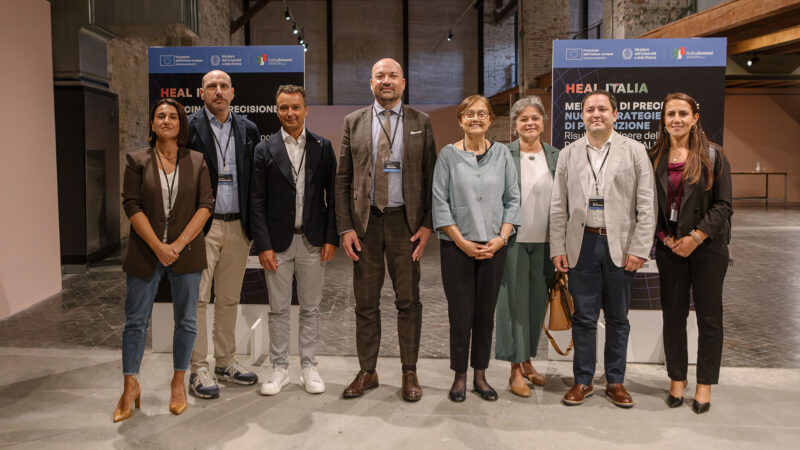
The project involves three Italian universities — the Università Politecnica delle Marche (Ancona), the University of Modena and Reggio Emilia, and the University of Catania — which study different models of fibrotic diseases: systemic sclerosis, idiopathic pulmonary fibrosis and, prospectively, also myeloproliferative diseases and immune-mediated gastrointestinal fibroses. As Prof. Moroncini emphasised in his introduction, the ultimate objective is to develop predictive algorithms to understand, once these diseases manifest, who will progress, who will not, who needs to be treated aggressively and who can be simply monitored with follow-up.
Fibrosis: A Common Pathogenetic Mechanism
The scientific rationale of the project is based on the recognition that, despite being different diseases with specific clinical characteristics, all the pathologies studied share a common pathogenetic mechanism: fibrosis. Fibrosis is a process characterised by the excessive deposition of extracellular matrix — primarily collagen — which leads to the loss of normal tissue architecture and organ function.
Despite this common mechanism, each fibrotic disease presents molecular, cellular and clinical peculiarities that must be studied in detail. The project’s approach therefore involves studying different disease models in parallel, with the aim of identifying both common mechanisms and specific differences, and then integrating all this information through artificial intelligence algorithms.
The Collaborative Network: An Integrated Ecosystem
The project represents a classic example of how the HEAL ITALIA research programme is structured: different universities, researchers with complementary experience, clinical and laboratory expertise that integrate with one another. The team includes not only the three main university groups, but also numerous other researchers including Prof. Bonifazi, Prof. Orciani and Prof. Poloni of the Politecnica delle Marche, creating a multidisciplinary network that encompasses haematological, pulmonary and systemic models of fibrotic diseases.
A particularly relevant aspect, underlined by Prof. Moroncini, concerns the impact that HEAL ITALIA has had on the training and recruitment of young researchers. The project made it possible to hire researchers such as Davis Benfaremo (physician) and Matteo Mozzicafreddo (biologist) in Ancona, and the technologist Alexandra Agafonova in Catania. Furthermore, it contributed to the launch of a new national doctoral programme in Precision Medicine, with the branch dedicated to rare diseases located in Ancona, where doctoral candidates such as Carolina Clementi (biologist, currently on fellowship at King’s College London), Dr. Piga (physician) and Barbara Perugini (engaged in biobanking in rare diseases) are active.
Systemic Sclerosis: Early Diagnosis and Predictive Biomarkers
Dr. Davis Benfaremo presented the results relating to systemic sclerosis or scleroderma, the fibrotic disease that the Ancona group has been studying for years. Systemic sclerosis is a systemic autoimmune disease characterised by an alteration of the immune system, vascular damage and the excessive deposition of fibrotic tissue that can affect the skin and internal organs, particularly the heart and lungs.
Raynaud’s Phenomenon as an Early Warning Sign
In its initial phase, systemic sclerosis typically presents with Raynaud’s phenomenon — a vasomotor disorder of the extremities (hands, feet or nasal pyramid) induced by cold or stressful factors, characterised by marked colour changes and ischaemic symptoms. This phenomenon is very common in the general population, potentially affecting up to 5–10% of people, more frequently women of childbearing age.
The central diagnostic challenge lies in the fact that within the same population in which primary Raynaud’s phenomenon (not associated with systemic disease) manifests, there are also individuals at risk of developing a secondary form of Raynaud’s phenomenon linked to systemic sclerosis. Distinguishing these two groups early is fundamental for secondary prevention.
Very Early Diagnosis of Systemic Sclerosis (VEDOS)
The field of application of prevention — in this case of secondary type — must go towards recognising the so-called early forms, defined over the years as Very Early Diagnosis of Systemic Sclerosis (VEDOS). These are forms in which Raynaud’s phenomenon is present, there may be immunological alterations such as the presence of specific autoantibodies and vascular alterations visible with periungual capillaroscopy, but fibrotic alterations at the organ level have not yet manifested.
It is precisely in this early phase that the project aims to apply new preventive strategies using advanced molecular techniques to identify patients at risk of progression before irreversible organ damage develops.
Multi-Omics Experimental Approaches: Transcriptome and Cytokines
Dr. Matteo Mozzicafreddo presented the multi-omics experimental approaches implemented in the project, made possible thanks to the instrumentation purchased with HEAL ITALIA funds. The approaches include Next Generation Sequencing (NGS) of total RNA, analysis of circulating cytokines with Bioplex enzyme-linked immunosorbent assay, single-cell transcriptomics analysis and proteomics, the latter two still in progress.
Results of Total RNA Sequencing
The team studied three patient cohorts: 17 patients with primary Raynaud’s phenomenon (PRP), 11 VEDOS patients (very early diagnosis of systemic sclerosis) and 20 patients with established systemic sclerosis (SSc). The transcriptomic profile of each cohort was compared with that of all other cohorts to determine differentially expressed genes, considering a log fold-change of 1 and a false discovery rate (FDR, corrected p-value) of 0.05.
From the analysis of transcripts exclusive to the VEDOS cohort, two particularly interesting genes emerged. The first is ANKHD1, which shows significantly different expression in the VEDOS cohort compared to all others. Analysis through ROC (Receiver Operating Characteristic) curves confirmed the discriminating capacity of this marker. Particularly interesting is the fact that two samples from the VEDOS cohort that showed ANKHD1 levels below the threshold value calculated from the ROC curve subsequently progressed to established systemic sclerosis, suggesting a potential predictive value of the biomarker.
For the scleroderma patient cohort, four differentially expressed genes were identified, including FCGR1A (upregulated, with higher expression levels compared to the Raynaud cohort and healthy controls) and TRAV (downregulated, with lower expression levels). These transcripts may serve as markers of disease onset and progression.
Analysis of Circulating Cytokines
The analysis of circulating cytokines through enzyme-linked immunosorbent assay evaluated a panel of approximately 40 cytokines. Four of these showed statistically different levels across the three cohorts considered. In particular, the chemokine CCL17 showed significant differences between the VEDOS and Raynaud cohorts, suggesting a possible role as a biomarker for disease progression from the stage of simple Raynaud’s phenomenon towards systemic sclerosis.
The ADAPTA Platform: Artificial Intelligence for Precision Medicine
One of the most innovative aspects of the project is represented by the integration of multi-omics and clinical data through the ADAPTA platform (Adaptive Data Analysis Platform for Translational Applications), developed by colleague Matteo Rucco within a cascade call of HEAL ITALIA. This system represents a concrete example of how artificial intelligence can be applied to Precision Medicine.
Cascade Calls: Strengthening the Partnership
As Prof. Moroncini explained, the cascade calls represented additional funds made available by HEAL ITALIA for competitive calls requiring the participation of other institutions — a kind of enhancement of the initial partnership. In the case of ADAPTA, the winning partnership is public-private and includes the company FIDOCA (expert in telecommunications), the University of Camerino and, in practice, Matteo Rucco has become an integral part of the Ancona research team.
How ADAPTA Works
ADAPTA is a platform based on the principles of safety, efficacy, flexibility and transparency (Trustworthy AI By Design). The system starts from the management and normalisation of tables containing experimental and clinical data. From this data, distinctive molecular patterns can be highlighted. Furthermore, ADAPTA allows patients to be stratified by estimating even the probability of transition from one class to another.
This means that the initial stratification of patients into three cohorts (PRP, VEDOS, SSc), based on traditional clinical criteria, could be modified or refined by a global analysis integrating molecular, clinical and imaging data. Artificial intelligence can identify phenotypic subgroups that were not apparent with conventional diagnostic criteria.
Pilot Study with Echocardiographic Data
A first example of ADAPTA application concerned a pilot study on PRP, VEDOS and scleroderma patients using echocardiographic data. Thanks to the combined approach of statistics, topology and artificial intelligence, the system was able to identify three distinctive clusters corresponding to true echocardiographic phenotypes.
These results demonstrate how ADAPTA not only identifies statistical clusters, but also brings to light concrete clinical phenotypes usable for the patient in the course of their disease. The true strength arises from the integration of genetic and clinical data, from the integration of diverse competencies (from physician to data scientist, from laboratory researcher to clinician) and from the integration of different perspectives, all oriented towards patient benefit and the provision of new tools to improve the quality of care.
Idiopathic Pulmonary Fibrosis: From Tissue to Biomarkers
Dr. Valeria Samarelli, representing the Modena group coordinated by Prof. Enrico Clini, presented the results relating to idiopathic pulmonary fibrosis (IPF) — a rare, chronic and progressive disease affecting adults that can lead to death from respiratory failure within 3 to 5 years of diagnosis.
The Molecular Mechanisms of Pulmonary Fibrosis
From a molecular standpoint, the key players in pulmonary fibrosis are fibroblasts — cells normally responsible for structural support of the lung. However, in the context of a genetic susceptibility and occupational or domestic exposures, these fibroblasts can transdifferentiate into an aberrant form called myofibroblast, which begins to secrete extracellular matrix proteins such as collagen and fibronectin.
This excessive deposition of extracellular matrix substantially alters the biomechanical properties of the lung, making it hard and rigid with loss of elasticity. The lung loses its ability to expand normally during inspiration, leading patients to die of respiratory failure. The molecular mechanism has progressively become more complex over time, and today the importance of other cell populations in the pulmonary stroma is recognised, including mesenchymal cells, immune cells and endothelial cells.
Retrospective Study: The Role of HOXB7
The Modena group began its research within the PNRR framework with a retrospective study on the role of homeobox protein B7 (HOXB7). This protein, normally responsible for organogenesis during embryonic development, has been associated in a pathological context with tumorigenesis and tumour progression.
The team evaluated HOXB7 expression through immunohistochemistry on formalin-fixed paraffin-embedded (FFPE) lung tissue sections from patients with idiopathic pulmonary fibrosis undergoing surgical biopsy for diagnostic completion. In the cohort — necessarily small given the rarity of the disease — 19 patients with IPF and 5 controls (non-fibrotic lung parenchyma) were evaluated.
The results showed that HOXB7 was significantly more expressed in patients with fibrosis compared to controls. Furthermore, HOXB7 expression correlated moderately (through non-linear Spearman correlation) with the decline in pulmonary function measured as forced vital capacity (FVC) and diffusing capacity of the lungs for carbon monoxide (DLCO). Above all, HOXB7 correlated positively with the extent of fibrosis on chest CT scan.
A particularly interesting observation that emerged during follow-up was that one of the patients with the highest HOXB7 expression subsequently developed lung cancer after 3 years. This led to the opening of a new research project in collaboration with Forlì to investigate whether this protein may be a predisposing factor for the development of lung cancer following idiopathic pulmonary fibrosis.
Tissue Proteomics: Identification of New Targets
Subsequently, the group expanded its horizon by applying a proteomics approach through mass spectrometry to elucidate the molecular mechanisms underlying the progression of idiopathic pulmonary fibrosis. A protocol was developed in the laboratory to isolate total proteins from FFPE sections archived in the pathology department.
The study compared three groups: patients with less severe IPF (stage 1), patients with more severe IPF and controls (non-fibrotic lung parenchyma from oncological patients undergoing lobectomy, with tissue collected in a distal zone from the tumour).
Discovery of Differentially Expressed Proteins
Through liquid chromatography coupled with mass spectrometry, it was possible to identify the proteomic spectrum of the three populations. Commonly expressed but differentially regulated proteins were identified between the three groups. As expected, proteins involved in extracellular matrix remodelling — responsible for the collagen deposition that makes the lung hard and rigid — were most highly upregulated in patients with idiopathic pulmonary fibrosis.
Other altered cellular pathways were also identified, including extracellular pathways, lysosomes and exosomes. Particularly relevant were five proteins not previously known to be associated with idiopathic pulmonary fibrosis, which were upregulated in patients with severe pulmonary function impairment.
Among these were two extracellular matrix glycoproteins — Lumican (LUM) and Osteoglycin (OGN) — and two proteins involved in cytoskeletal remodelling — Transgelin 2 (TAGLN2) and Lymphocyte Cytosolic Protein 1 (LCP1). These proteins are particularly interesting because fibroblasts undergo a transdifferentiation involving cytoskeletal remodelling, and it is hypothesised that these proteins intervene in the initial proliferative and differentiation phase.
Transition to Fresh Tissue: Multicentre Study
Following ethical committee approval of the study, the group fortunately transitioned from fixed to fresh tissue. A multicentre study is currently underway in which fresh lung tissue from patients with interstitial lung disease and suspected idiopathic pulmonary fibrosis is being analysed through proteomics and mass spectrometry, compared with a control cohort.
Preliminary data showed that patients with non-idiopathic interstitial lung disease secondary to rheumatological conditions present a protein spectrum that differs from patients with idiopathic pulmonary fibrosis. This suggests that proteomics may in the future become a diagnostic tool capable of discriminating the diagnosis of primary interstitial pathologies from those due to rheumatological conditions.
Fibroblast Isolation from Cryobiopsy
A technically very challenging aspect of the project concerns the study of the morphological and functional unit of idiopathic pulmonary fibrosis: fibroblasts. The group developed a protocol to isolate viable fibroblasts from cryobiopsy — a technique in which the bronchoscope “tears” lung tissue using extreme cold (down to -80°C).
As Dr. Samarelli emphasised, anyone working with cell cultures understands the enormous difficulty of isolating viable cells from tissue that has been brought to -80°C. Despite this challenge, the team succeeded in characterising these cells through a pro-fibrotic panel, evaluating the expression of fibronectin 1, collagen 3, collagen 1 and connective tissue growth factor (CTGF) through immunofluorescence, in addition to a pro-fibrotic panel evaluated through real-time PCR.
In cells isolated from three patients, the overexpression of proteins previously identified as upregulated through mass spectrometry was also verified through real-time PCR, compared with control cells (normal human lung fibroblasts).
Future Perspectives: From Transcriptomics to Innovative Therapies
The future perspectives of the Modena group are particularly ambitious. The objective is to proceed with increasingly refined analyses — from proteomics to transcriptomics through to single-cell sequencing of these fibroblasts. These experiments will include treatment with standard antifibrotic therapies (pirfenidone and nintedanib), which currently are only able to halt the progression of the disease but not to “cure” the scars already formed in the lung.
In parallel, the group is developing experimental approaches for the downregulation of identified targets (such as OGN) — first through siRNA (small interfering RNA) and then through CRISPR technology — with the aim of validating these targets as potential therapeutic targets.
Conclusions of the Modena Group
In summary, through the PNRR project activities the Modena group was able to develop a protocol for fibroblast isolation from cryobiopsy that can serve as a screening platform for new therapies. It emerged that proteomics may be a diagnostic tool that in the future will be able to discriminate the diagnosis of primary interstitial pathologies from those due to rheumatological conditions. Two particularly promising targets were identified — OGN and transgelin 2 — which are upregulated in patients with idiopathic pulmonary fibrosis and represent potential new targets both prognostic and therapeutic.
Extracellular Vesicles: The Contribution of the Catania Group
Prof. Carlo Vancheri, connected live from the airport while preparing to depart for the European Respiratory Society Congress in Amsterdam (together with colleagues Clini and Bonifazi), briefly introduced the work of the Catania group before handing over to technologist Alexandra Agafonova, hired on PNRR funds.
Prof. Vancheri emphasised that following this project pathway had been very complex — not so much from a scientific-technical standpoint, where agreement with the other project groups was reached very easily, but above all because of the administrative vicissitudes and obstacles encountered. He acknowledged that, for the Catania group, the greatest achievement had finally been to have been able to proceed with all the instrumentation purchases and to have been able to hire Dr. Agafonova.
The Catania group chose to follow a slightly different path from the Modena group, precisely to avoid overlapping, shifting the focus above all to endothelial cells and extracellular vesicles.
Study of Extracellular Vesicles as Biomarkers of Endothelial Damage
Dr. Alexandra Agafonova presented the results concerning the study of circulating extracellular vesicles (EVs) as biomarkers of endothelial damage in idiopathic pulmonary fibrosis. The research is inspired by a recent study by Prof. Vancheri and Prof. Caporarello conducted on a murine model of bleomycin-induced pulmonary fibrosis.
In this study it was demonstrated that treatment with circulating extracellular vesicles from healthy subjects is capable of protecting against endothelial damage and reducing the progression of bleomycin-induced fibrosis. This result opened a completely new therapeutic perspective and motivated subsequent investigations.
Extracellular Vesicles as Intercellular Messengers
Circulating extracellular vesicles represent true messengers between cells. They transport mainly microRNAs that reflect the state of the cell of origin, making them very promising candidate markers in the search for biomarkers for this disease. In light of this important role of EVs, the project aims to investigate their potential as biomarkers of endothelial damage in idiopathic pulmonary fibrosis.
Experimental Procedure Developed
The team developed a dedicated experimental procedure for the isolation, characterisation and cargo analysis of extracellular vesicles, in order to study their effects on pulmonary endothelium in in vitro tests. In parallel, a second line of the project concerns fibroblasts from biopsies of control patients and IPF patients, which will make it possible to study their effect on pulmonary endothelium in in vitro models, thus providing a complete picture of cellular interactions in pulmonary fibrosis.
Biobank Creation and EV Isolation
The first step was the creation of a biobank of serum samples from control patients and IPF patients. Subsequently, circulating extracellular vesicles were isolated using the size exclusion chromatography method, which makes it possible to isolate a pure EV fraction by separating them from other serum components on the basis of their size.
Characterisation of Extracellular Vesicles
Once obtained, the EVs were characterised in terms of size and concentration using the NTA (Nanoparticle Tracking Analysis) method. The results confirmed a typical range of small EVs with dimensions below 150 nanometres. It was also possible to visualise the flow of vesicles in the samples.
Furthermore, the EVs were characterised for the specific surface markers CD63 and CD9. The cytofluorimetry results showed a clearly positive population for both markers, thus confirming the identity of the EVs obtained and the purity of the preparation.
Cargo Study: MicroRNA and Digital PCR
Subsequently, once the vesicles were obtained and characterised, the team began to study their molecular cargo. A protocol was developed and optimised for the extraction of microRNAs and their analysis with digital PCR — a technique more sensitive than conventional PCR, particularly important given the reduced quantities of material within EVs.
In this part of the project, the team is focusing primarily on the targets most closely linked to endothelial damage in pulmonary fibrosis. As Dr. Agafonova specified in response to a question from the audience, among the microRNAs studied is miR-126-3p — one of the most relevant microRNAs in the presence of endothelial damage, which also participates in the repair and activity of the endothelium. The complete list of microRNAs studied is much broader and includes numerous other microRNAs that regulate strictly endothelial genes. This part of the project is still a work in progress.
In Vitro System with Pulmonary Endothelial Cells
In parallel, an in vitro system with pulmonary endothelial cells was developed to study the effects of the microRNAs conveyed by the EVs. First of all, it was necessary to verify the internalisation of the EVs by the endothelial cells. For this purpose, the vesicles were labelled with a specific fluorescent dye and incubated with the cells.
Already after 3 hours of incubation, confocal imaging confirmed strong internalisation of the EVs, with the fluorescent signal localised in the perinuclear zone. This suggests very active intercellular trafficking, confirming that the vesicles are effectively taken up by endothelial cells and their content can be released inside the target cells. Subsequently, this part of the project will also study the functional response of the endothelium to this treatment.
Biopsy and Fibroblast Biobank
In parallel with the EV biomarker work, the team also created a biobank of pulmonary biopsies from which IPF fibroblasts and control fibroblasts were isolated. These fibroblasts were characterised for the expression of α-SMA (Alpha Smooth Muscle Actin), a typical marker of activated fibroblasts and myofibroblasts.
On-Chip Model of the Pulmonary Barrier
The team is currently developing an on-chip model of the pulmonary barrier where these fibroblasts will be co-cultured with endothelial cells. This model represents a system that allows the formation of true vascular structures within a microfluidic device, as shown by the confocal images presented.
This approach makes it possible to evaluate the effect of fibroblasts on pulmonary endothelium in a more physiologically relevant manner, recreating a three-dimensional microenvironment that better simulates in vivo conditions compared to traditional two-dimensional cell cultures. The study of these cellular interactions in a microfluidic system represents the technological frontier of in vitro research and will make it possible to better understand the mechanisms of cross-talk between fibroblasts and endothelium in the pathogenesis of pulmonary fibrosis.
Integration of Results: A Truly Multi-Omics Approach
As Prof. Moroncini emphasised in his final remarks, all the information generated by the different groups on different disease models will be appropriately integrated and compared. The title of the task — “Multi-omics and AI approach in rare diseases” — reflects exactly this integrative strategy.
It is important to understand what the molecular differences are between one type of fibrosis and another, between one model of fibrotic disease and another. At the same time, it is crucial to identify the common mechanisms that could represent therapeutic targets applicable across different fibrotic diseases.
Comparative Advantages of the Different Models
Each disease model studied offers specific advantages and opportunities. For example, in idiopathic pulmonary fibrosis there is the enormous advantage of being able to study pulmonary cryobiopsies, which in scleroderma are not normally performed as routine. However, in systemic sclerosis there are other easily accessible tissues such as the skin, which can provide complementary information.
This diversity of approaches and tissues available for study enormously enriches the project, making it possible to validate results across different models and to identify biomarkers and mechanisms that may be applicable across different fibrotic diseases. The project is also studying myeloproliferative diseases — characterised by excessive proliferation at the level of the bone marrow — and aims to extend the studies to gastrointestinal fibroses as well, especially those with an immune-mediated component at the hepatic level.
The Impact of HEAL ITALIA: Beyond Scientific Results
Prof. Moroncini was at pains to emphasise on multiple occasions during the presentation that his observations were not self-congratulatory, but aimed to highlight the value and impact of HEAL ITALIA in the Italian research ecosystem. The project in fact represents an inclusive system that offers new partnerships and new training opportunities to young researchers.
Cascade Calls: A Model of Inclusive Growth
The cascade call mechanism represents a virtuous example of how a major project can generate further competitive opportunities. In this specific case, the call won for the development of the ADAPTA platform led to the creation of a public-private partnership that includes the company FIDOCA (expert in telecommunications), the University of Camerino and, in practice, new researchers such as Matteo Rucco who have become an integral part of the HEAL ITALIA network.
This approach creates a multiplier effect: not only are researchers and instrumentation funded in the main centres, but opportunities are also created for other institutions to enter the partnership, bringing complementary expertise and creating an ever broader and more articulated network.
The National Doctoral Programme in Precision Medicine
Another important result of HEAL ITALIA was the launch of a new national doctoral programme dedicated to Precision Medicine. The branch dedicated to rare diseases was located in Ancona, where several doctoral candidates are active: Carolina Clementi (biologist, who at the time of the event was beginning a fellowship at King’s College London), Dr. Piga (physician) and Barbara Perugini (engaged in a biobanking project in rare diseases).
This initiative guarantees not only scientific results in the short term, but also the training of a new generation of researchers specialised in Precision Medicine, ensuring the sustainability and continuity of this approach even after the conclusion of PNRR funding.
The Acquisition of Advanced Instrumentation
A fundamental aspect emphasised by all speakers concerns the acquisition of advanced instrumentation thanks to HEAL ITALIA funds. Next generation sequencing (NGS), mass spectrometry, multiplex cytokine analysis systems, confocal microscopes, microfluidic devices — all this instrumentation has been made available thanks to the project and represents a lasting investment that will continue to generate results in the years ahead.
As Prof. Vancheri highlighted for the Catania group, one of the greatest achievements was precisely having been able to proceed with all the necessary purchases, overcoming the not inconsiderable administrative difficulties that characterised the journey.
Challenges and Perspectives: The Decisive Next Three Months
At the time of the presentation (September 2025), the project was still ongoing with results in progress. As Prof. Moroncini emphasised, three full months of time remained to complete the experiments, plus one or two final months to integrate the results. It was necessary to “run” to meet the project deadlines.
In the months following the event, very intensive meetings were planned among all the groups precisely to conclude the project and integrate the different types of data: transcriptomic, proteomic, imaging, clinical and circulating cytokine data. All this data was to converge in the ADAPTA platform for integrated analysis through artificial intelligence.
Final Objectives: Predictive Algorithms for Clinical Practice
The ultimate objective of the project remains that stated at the outset: to develop predictive algorithms that, once these diseases manifest, make it possible to identify who will progress rapidly, who will have a slower progression, who needs to be treated aggressively and who can be subjected only to careful follow-up.
This risk stratification approach represents the essence of Precision Medicine applied to rare fibrotic diseases. Instead of treating all patients in the same way, the objective is to personalise therapeutic strategies based on the individual molecular, genetic and clinical profile, optimising the risk-benefit ratio of therapies and improving clinical outcomes.
Potential Clinical Applications
The project’s results have already identified several promising biomarkers that could be translated into clinical applications.
For systemic sclerosis, the gene ANKHD1 could become a biomarker to early identify VEDOS patients at risk of progression towards established systemic sclerosis, enabling preventive interventions at a stage when the disease is still potentially modifiable. The chemokine CCL17 could be used as a marker of progression from the phase of Raynaud’s phenomenon towards systemic disease.
For idiopathic pulmonary fibrosis, the proteins OGN and transgelin 2 represent not only potential prognostic biomarkers but also possible therapeutic targets. Proteomics could become a diagnostic tool for discriminating idiopathic forms from those secondary to rheumatological conditions. HOXB7 could be a risk marker for the development of lung cancer in patients with fibrosis.
Circulating extracellular vesicles and their microRNA cargo could become minimally invasive biomarkers of endothelial damage and pulmonary fibrosis progression, as well as representing a potential innovative therapeutic approach based on the administration of EVs from healthy donors.
The Importance of Clinical-Laboratory Integration
An element that emerged clearly from all the presentations is the importance of integration between clinical and laboratory expertise. As Prof. Moroncini emphasised when introducing the first two speakers, the project benefits from the “fruitful interaction between clinicians and laboratory scientists”: Davis Benfaremo is a physician, Matteo Mozzicafreddo is a biologist, and this complementarity of competencies is fundamental.
Clinicians bring knowledge of the disease, identify unmet needs, recruit patients and collect phenotypic data. Biologists and technologists develop molecular methodologies, generate omic data and interpret results from a biochemical and molecular perspective. Data scientists such as Matteo Rucco integrate these different types of data through artificial intelligence algorithms. It is only from the integration of all these competencies that a true Precision Medicine can emerge.
Conclusions: A Collaborative Model for Precision Medicine
Task 4.3 of the HEAL ITALIA project represents a paradigmatic example of how Precision Medicine can be applied to rare diseases through a multi-centre collaborative approach. The “polyphonic choir” envisaged by Prof. Moroncini has taken concrete form in a research network that integrates three Italian universities, each with their own specificities and competencies, united by the common objective of better understanding and treating fibrotic diseases.
The multi-omics approach — combining transcriptomics, proteomics, the study of extracellular vesicles and cytokine analysis — makes it possible to obtain a complete and multidimensional vision of the pathogenetic mechanisms of fibrosis. The integration of this data through artificial intelligence platforms such as ADAPTA represents the frontier of contemporary biomedical research and promises to identify patterns and associations that would be impossible to detect with traditional approaches.
The results presented, although still in progress, are already extremely promising and have identified numerous candidate biomarkers and potential therapeutic targets. The identification of early disease stages (such as VEDOS in systemic sclerosis) and the development of tools to predict progression represent fundamental steps towards a more personalised and proactive clinical management of these devastating conditions.
Beyond the scientific results, the project has had a significant impact on the Italian research ecosystem, enabling the hiring of young researchers, the acquisition of advanced instrumentation, the launch of a national doctoral programme in Precision Medicine and the creation of new public-private partnerships through cascade calls. This model of investment in research — made possible by PNRR funds through HEAL ITALIA — represents a virtuous example of how public funding can generate not only scientific advances but also the development of competencies, infrastructure and lasting collaborative networks.
As all speakers reiterated, thanking the numerous collaborators in their teams, this is truly collective work that requires the integration of multiple competencies and perspectives, all oriented towards the ultimate goal of offering patients with fibrotic diseases new tools to improve diagnosis, prognosis and, above all, the quality of care and of life.